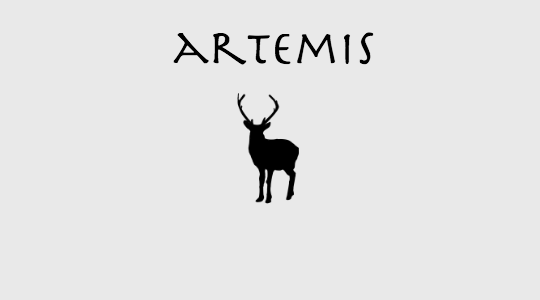
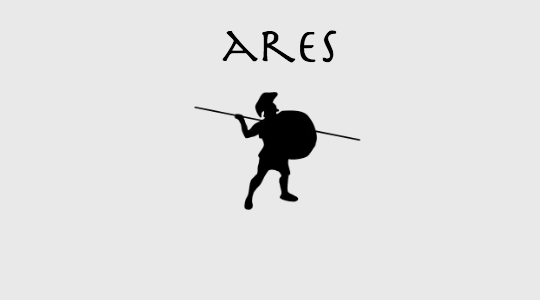
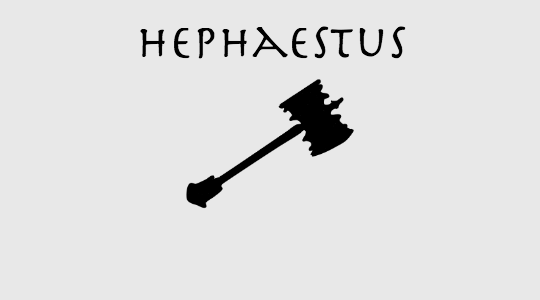
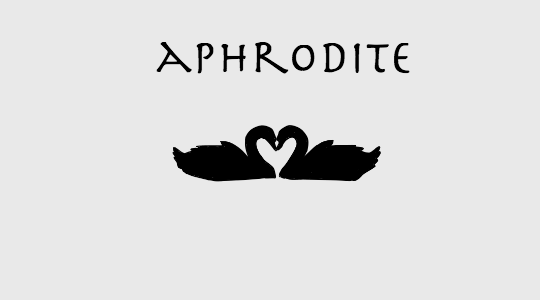
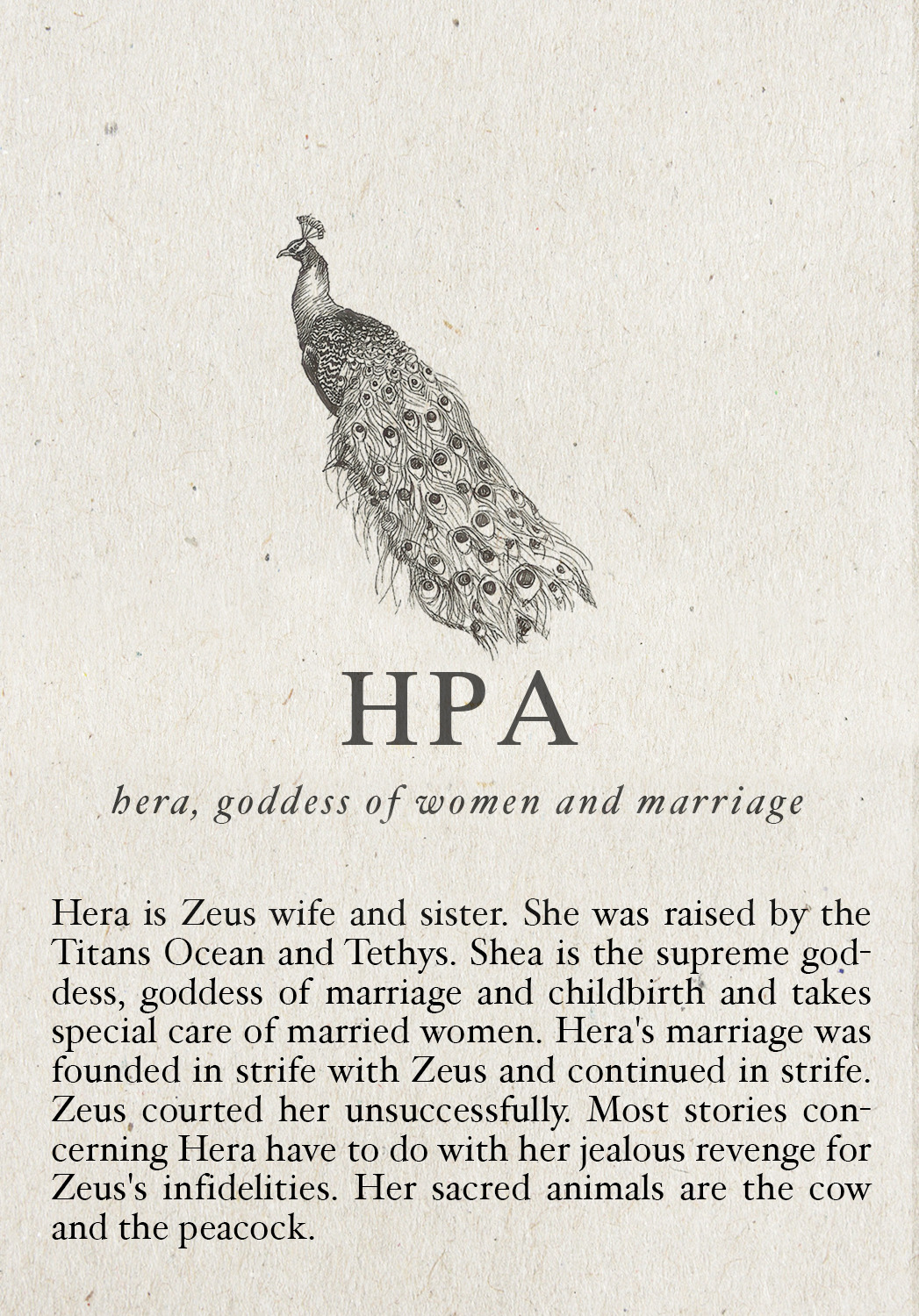
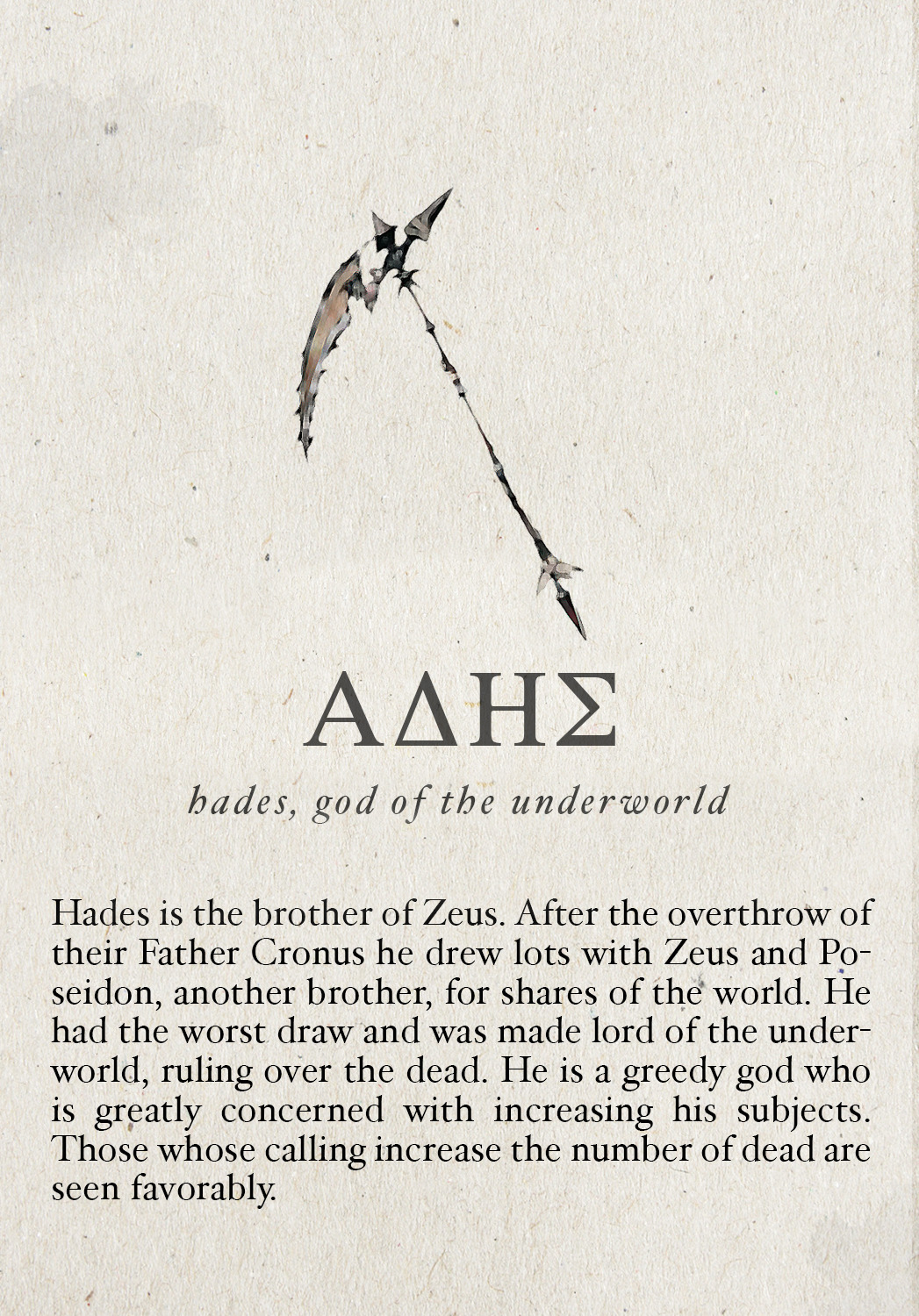
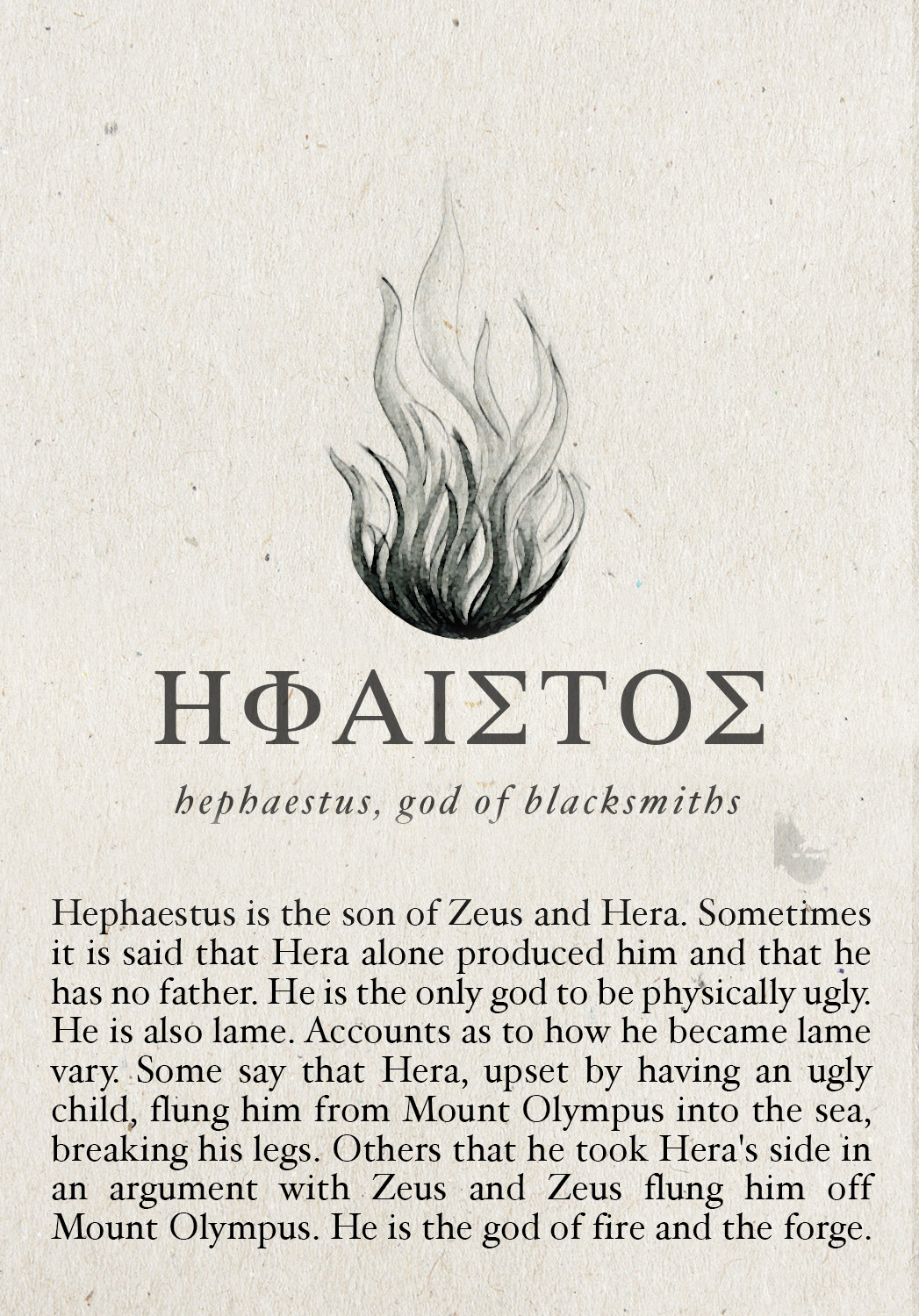
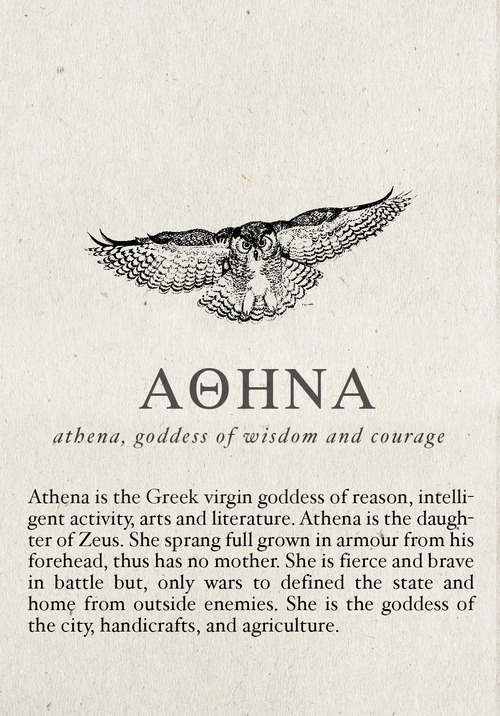
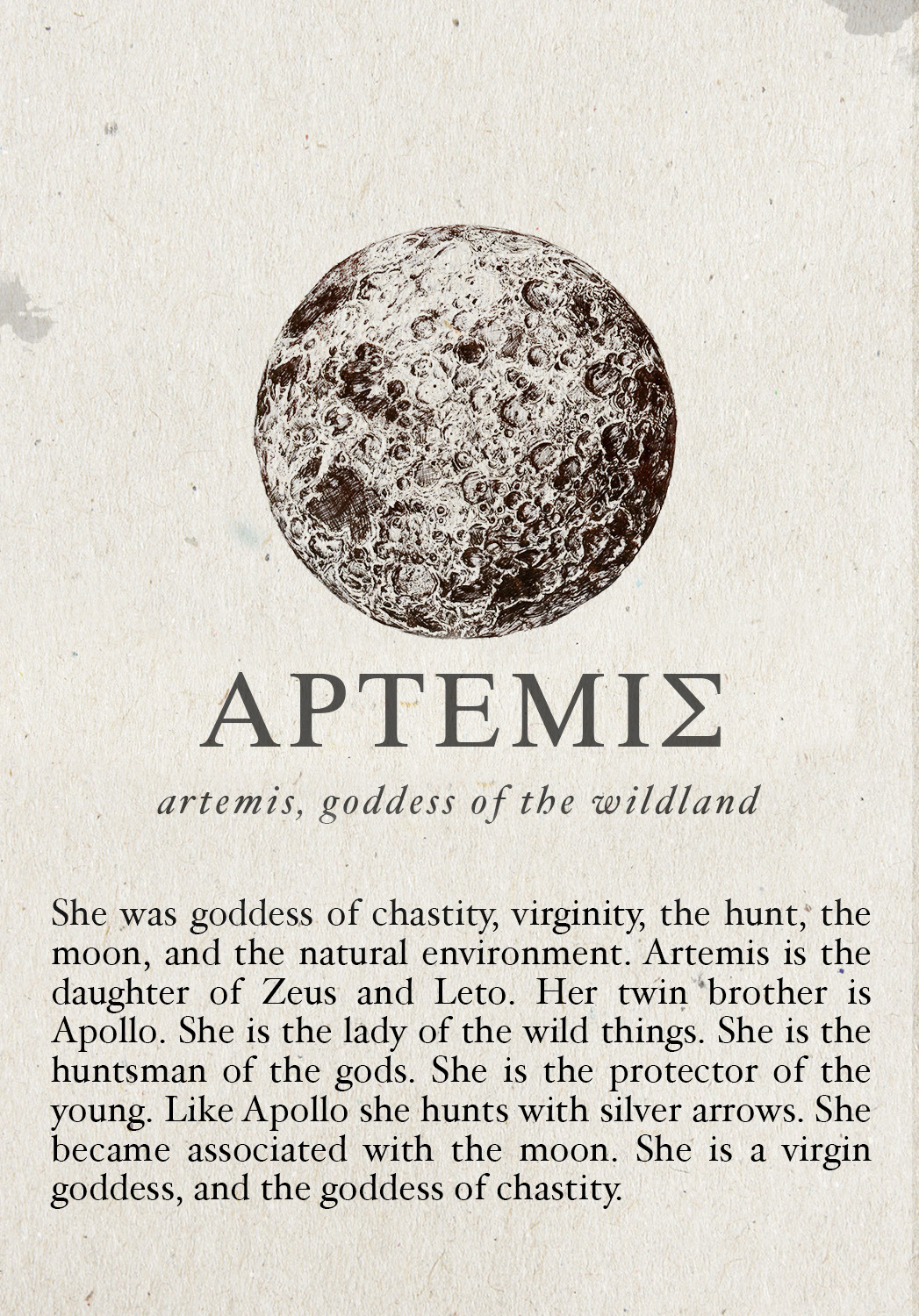
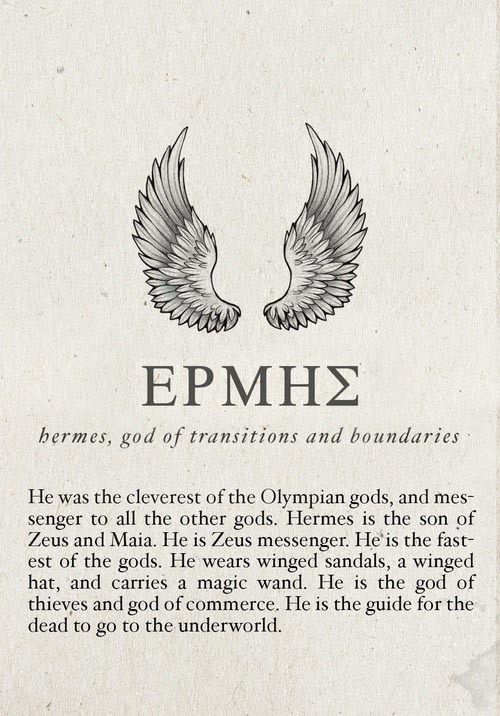
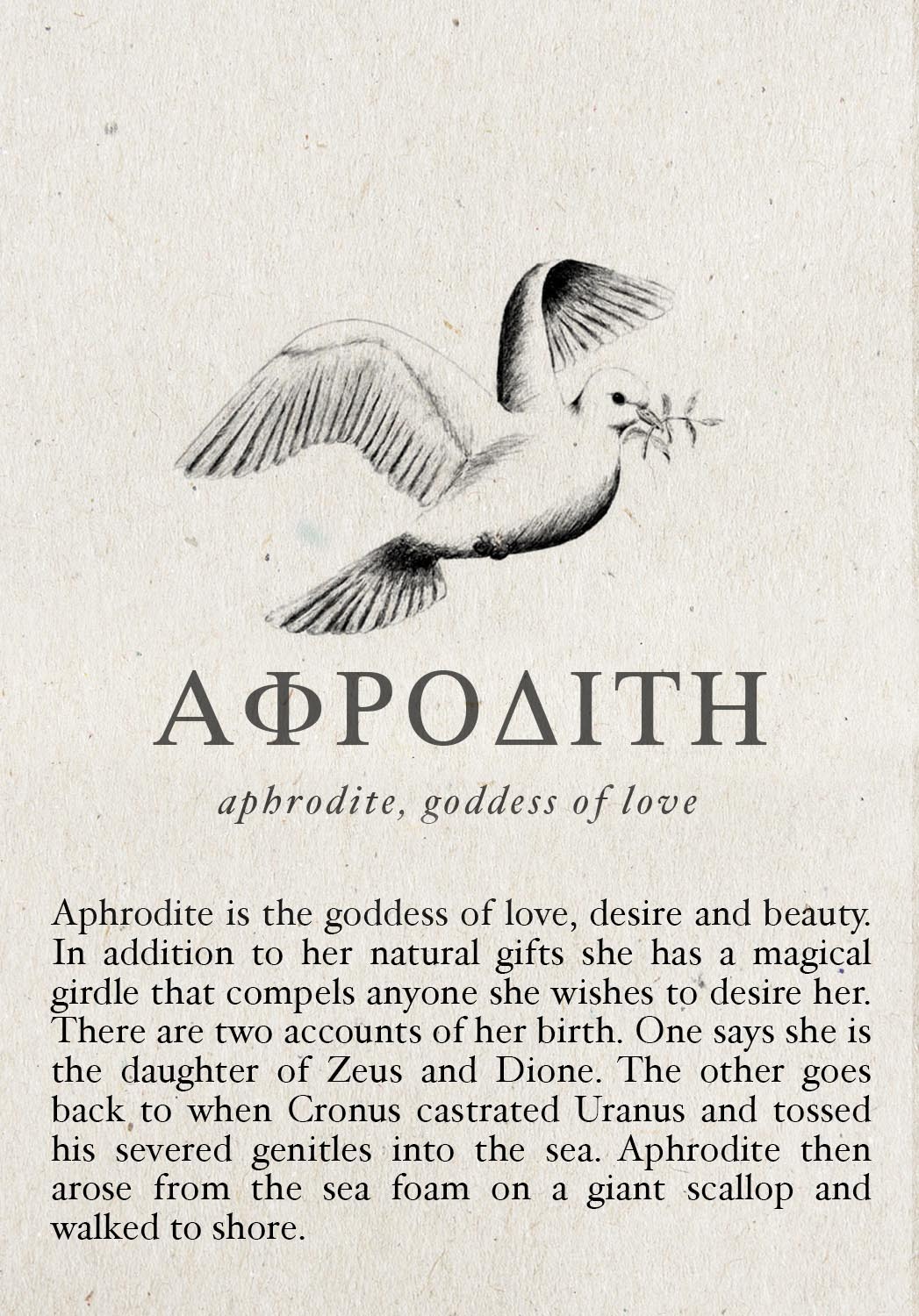
I came across these a while ago and thought they might prove useful or at least entertaining. This is the source I have found but please correct me if the source is different. The Theoi and the sign they are most associated with, based on core domain and/or lore. For more symbols of these Theoi, go here.
Showing posts with label art. Show all posts
Labels:
art,
Mythology 101,
Olympic Gods,
Symbols
I'm short on time today but of course I'll leave you with something, and how about something extremely cute? These are by the incredibly talented Rudy Siswanto, and they are his interpretation of young mythological creatures. Break out the awwww's and check out his ArtStation for more!
This lecture by Professor Armand D'Angour entitled 'Can Ancient Greek Texts be Sung to their Original Music'' was introduced by the President of the society, Professor Judith Mossman, with a request on behalf of the Hellenic and Roman Library made by immediate Past President, Professor Robert Fowler FBA. The lecture was given at the Hellenic Centre in London on 2nd October 2017. It's a long presentation, but worth every minute of watching!
-
Tuesday, February 6, 2018
ancient Hellenic culture art current affairs Hellenic Reconstruction music videos
A group of artists working for Greece's Culture Ministry has the exclusive right to make the officially certified copies, which are meant for sale in Greek museum shops. Greek Culture Minister Lydia Koniordou promised at a recent news conference that by the summer they will also be available for online purchase. The proceeds are meant to help fund Greek archaeology and conservation projects.
The team of about 50 fine arts graduates works on a range of sculptures, from a three-inch (nearly eight-centimeter) hare from Roman-era Macedonia to a seven-foot (more than two-meter) statue of Zeus, or Poseidon, created in the mid-5th century B.C. and one of the star exhibits of the National Archaeological Museum in Athens.
All are full-scale, made out of plaster in molds and painstakingly hand-painted to match the hues of the original piece, be it metal, marble, clay or even ivory. Plaster is used because it doesn’t shrink while drying, unlike other materials such as resin, and permits reproductions that are completely accurate in size.
For an overview of the statues available and an indication of the price (hint, that Hermes statue I mentioned in the title is about €3900 + shipping, which will probably be quite a bit), go here.
All are full-scale, made out of plaster in molds and painstakingly hand-painted to match the hues of the original piece, be it metal, marble, clay or even ivory. Plaster is used because it doesn’t shrink while drying, unlike other materials such as resin, and permits reproductions that are completely accurate in size.
For an overview of the statues available and an indication of the price (hint, that Hermes statue I mentioned in the title is about €3900 + shipping, which will probably be quite a bit), go here.
Sir Lawrence Alma-Tadema, born Lourens Alma Tadema (8 January 1836 – 25 June 1912) was a Dutch painter of special British denizenship. Born in Dronrijp, the Netherlands, and trained at the Royal Academy of Antwerp, Belgium, he settled in England in 1870 and spent the rest of his life there.
A classical-subject painter, he became famous for his depictions of the luxury and decadence of the Roman Empire, with languorous figures set in fabulous marbled interiors or against a backdrop of dazzling blue Mediterranean Sea and sky. Though admired during his lifetime for his draftsmanship and depictions of Classical antiquity, his work fell into disrepute after his death, and only since the 1960s has it been re-evaluated for its importance within nineteenth-century English art.
While Albe-Tadema painted what he believed the Roman age to be like, much of his work paints a picture that could just as easily apply to ancient Hellas. This is why I would like to share some of his paintings with you today.
A classical-subject painter, he became famous for his depictions of the luxury and decadence of the Roman Empire, with languorous figures set in fabulous marbled interiors or against a backdrop of dazzling blue Mediterranean Sea and sky. Though admired during his lifetime for his draftsmanship and depictions of Classical antiquity, his work fell into disrepute after his death, and only since the 1960s has it been re-evaluated for its importance within nineteenth-century English art.
While Albe-Tadema painted what he believed the Roman age to be like, much of his work paints a picture that could just as easily apply to ancient Hellas. This is why I would like to share some of his paintings with you today.
Escena Pompeyana (1868)
Das Fest der Weinlese Anagoria (1871)
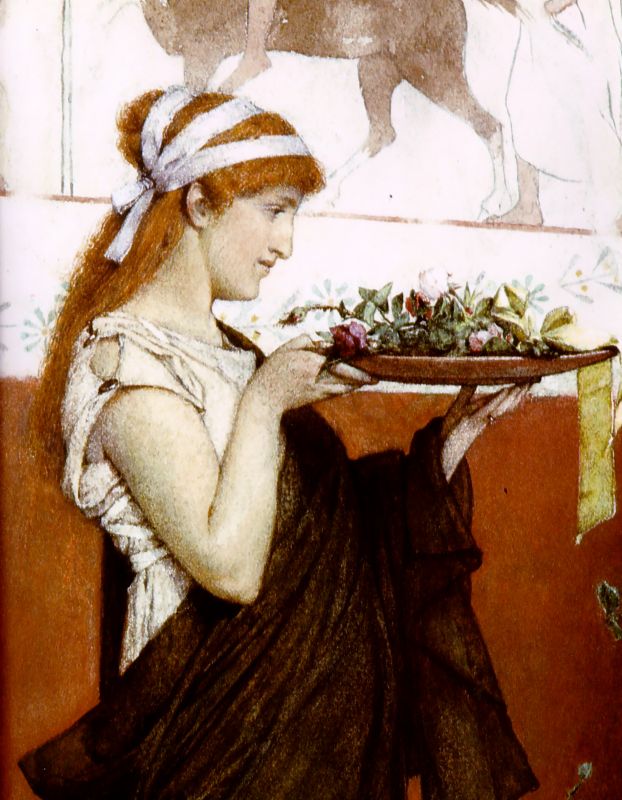
Offerta Votiva (1873)
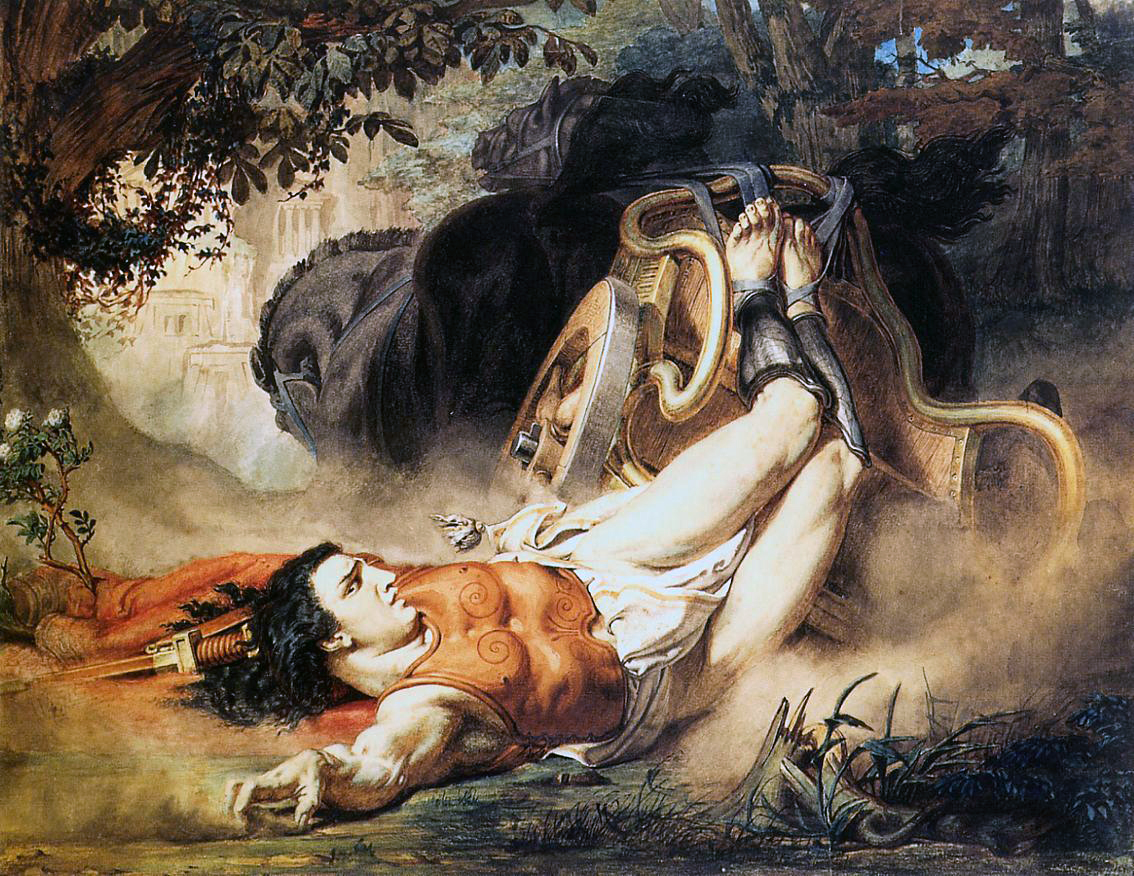
Hippolytus (1860)
Es Arethe (1903)
The Education of the Children of Clovis (1861)
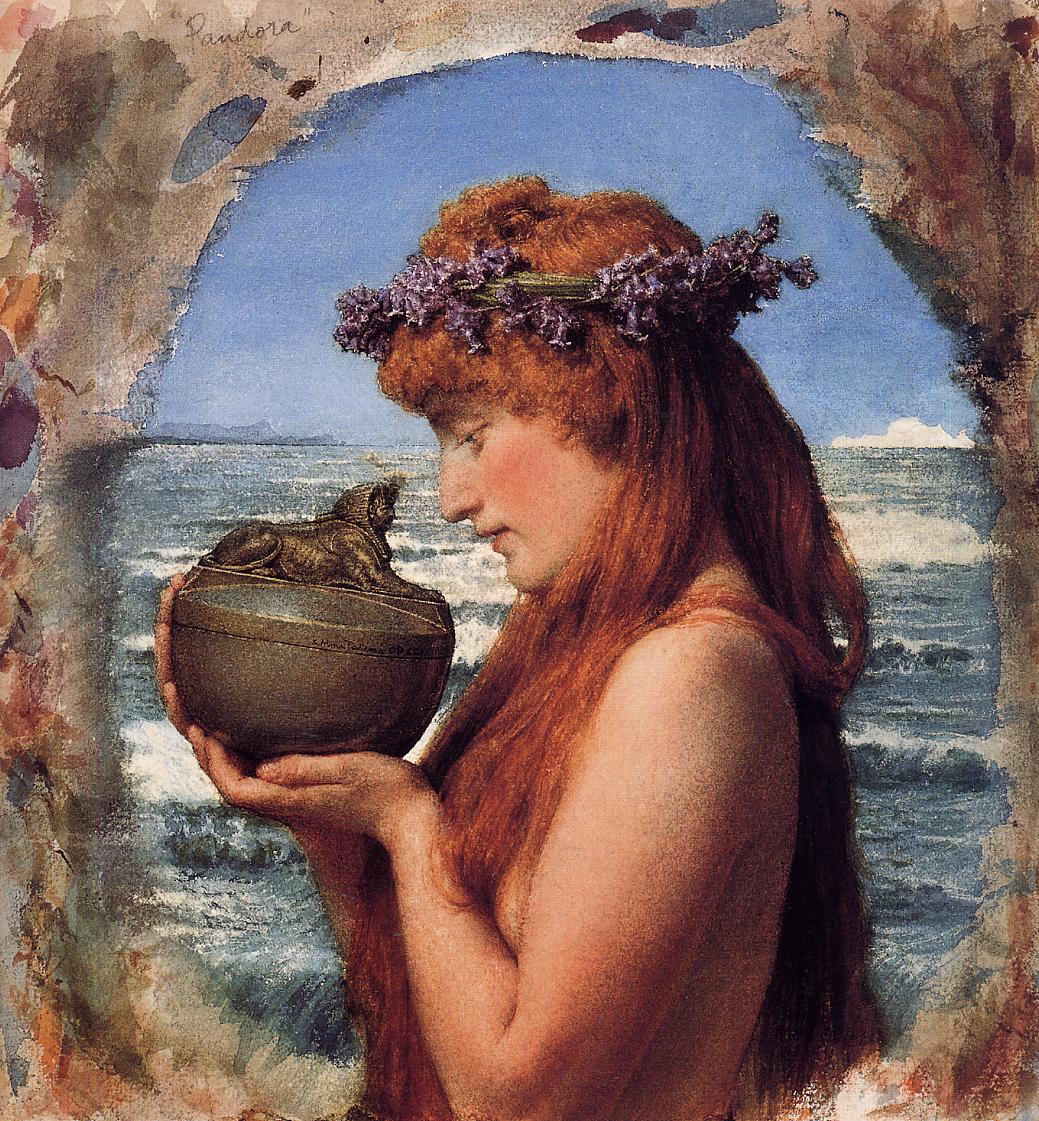
Pandora (1881)
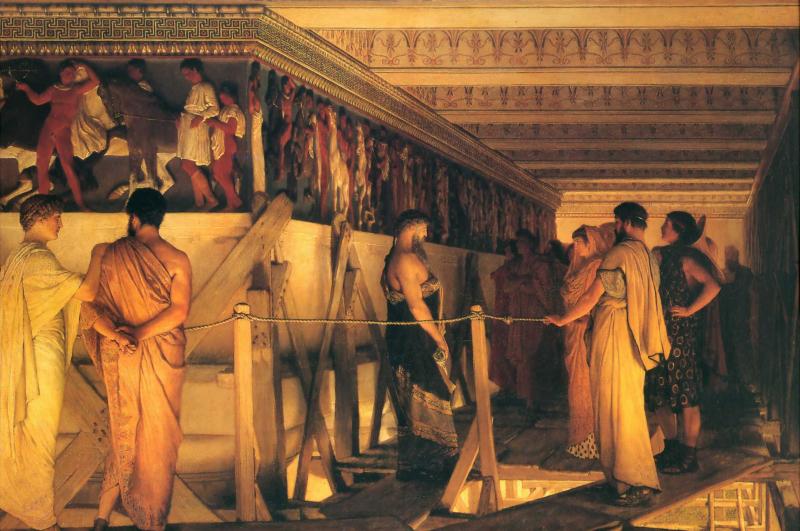
Phidias Showing the Frieze of the Parthenon to his Friends (1868)
I was looking for gifts prior to the holidays and came across this Etsy shop, Art1jewel. Christmas giving is done, but perhaps you'd like to gift yourself something nice? While you browse, I'll be running around like a headless chicken. I'll have something more for you all tomorrow.
I came across this and absolutely had to share, because I know at least one reader (and friend) will appreciate this man's craft very much. Haralambos Goumas, 67, has produced thousands of large terracotta statues of ancient Hellenic deities, mythical figures and fabulous beasts, mostly for use as architectural and garden ornaments.
Many of Goumas' pieces stand in tidy ranks, in a yard fronting the long, metal-roofed shed with its old-fashioned wood-fired furnace where he works. Others are scattered apparently randomly: an Athena here, a horse or a satyr there, among bulls' heads, griffins, sphinxes, garden urns or busts of 5th-century B.C. Athenian philosopher Socrates and the 19th-century Greek poet Dionysios Solomos.
Most draw from the neoclassical tradition that dominated Greek urban architecture from the 1830s to the 1920s, and was blitzed during unbridled post-World War II redevelopment. Once rejected as trite remnants of an irrelevant past, the original neoclassical terracotta statues that decorated facades, niches and pediments are now highly-prized antiques.
"I guess that in my lifetime I have made many more statues than those in China's Terracotta Army."
The tenth of 12 children, Goumas was born next to the workshop - initially his father's porcelain fittings business - that was still surrounded by vineyards and orchards, with the Acropolis dominating the landscape to the east. All his brothers worked there at some point, though he is the only one to have persevered.
"It's very hard, physically demanding work. It's not so easy to breathe in the smoke from the furnace, or lift these very heavy statues - some weigh 100 kilograms (220 pounds) and the moulds can reach 300 kilograms."
Although past retirement age, Goumas hopes to continue working and at the same time to create a school for young artists on the site, provided he can raise the necessary funds.
"Then I'll never have to leave this place. I have made so many gods that I believe one or other will help me. (Otherwise,) what did I make them all for?"
They are a rare survival of a vanishing art in recession-plagued Greece, all made by hand using traditional techniques in a western Athens workshop squeezed in among warehouses, small industries and a railyard.
For many, many, many more images of the absolutely stunning sculptures, go here.
Labels:
archeology,
art,
current affairs,
modern Greece
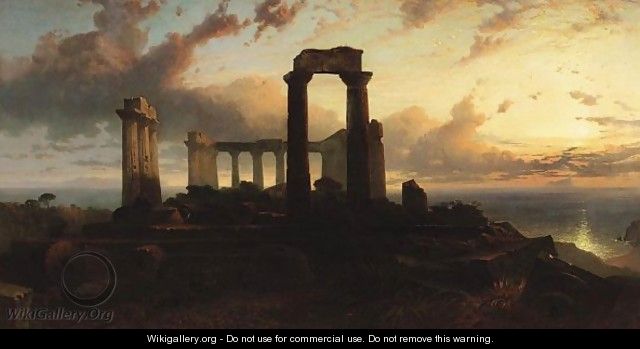
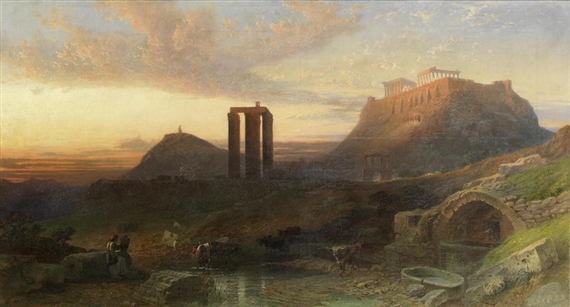
Henry John Johnson (10 April 1826 - 31 December 1884) was an English landscape and water colour painter. Johnson travelled in southern Europe, northern Africa and Asia Minor. He painted oil - and watercolour pictures of the ruins of Sardis, the Acropolis in Athens, and the Temple of Athena in Aegina), which I think are quite stunning, but judge for yourself!
Temple of Aphaea in Aegina, Greece
The Acropolis of Athens
Ruins at Hierapolis
Sounion
Apologies, everyone. I have no time at all to put something together, so I'm calling in some help from a graphic artist. They're pretty, aren't they?
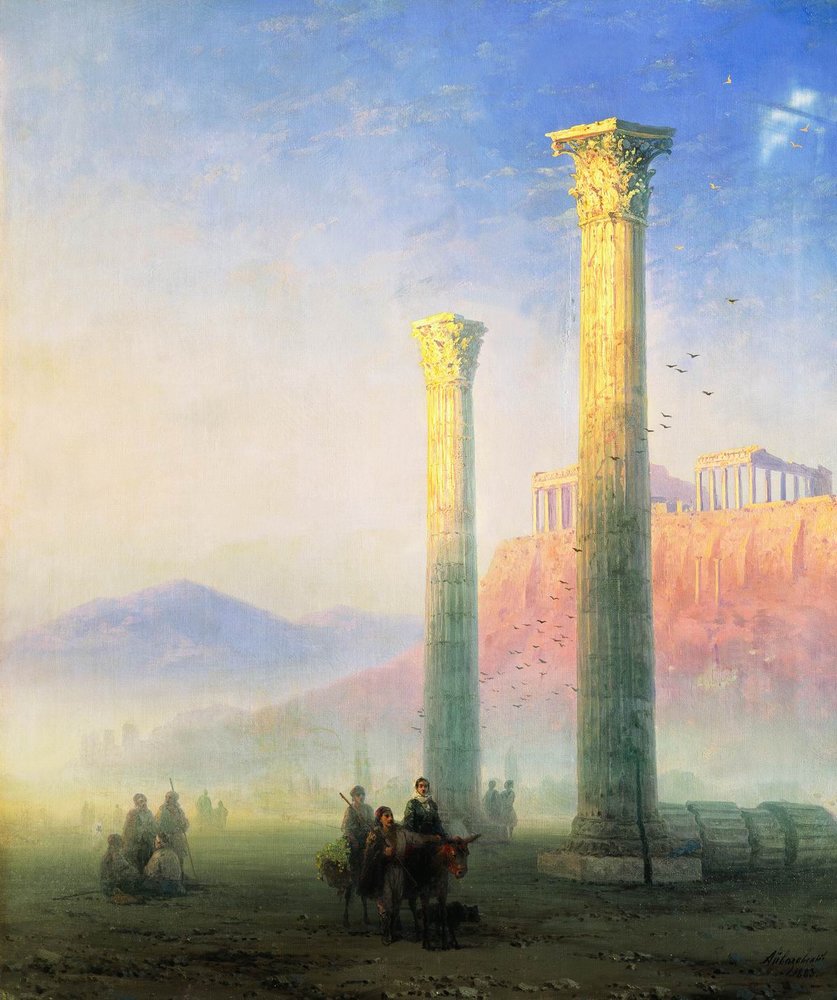
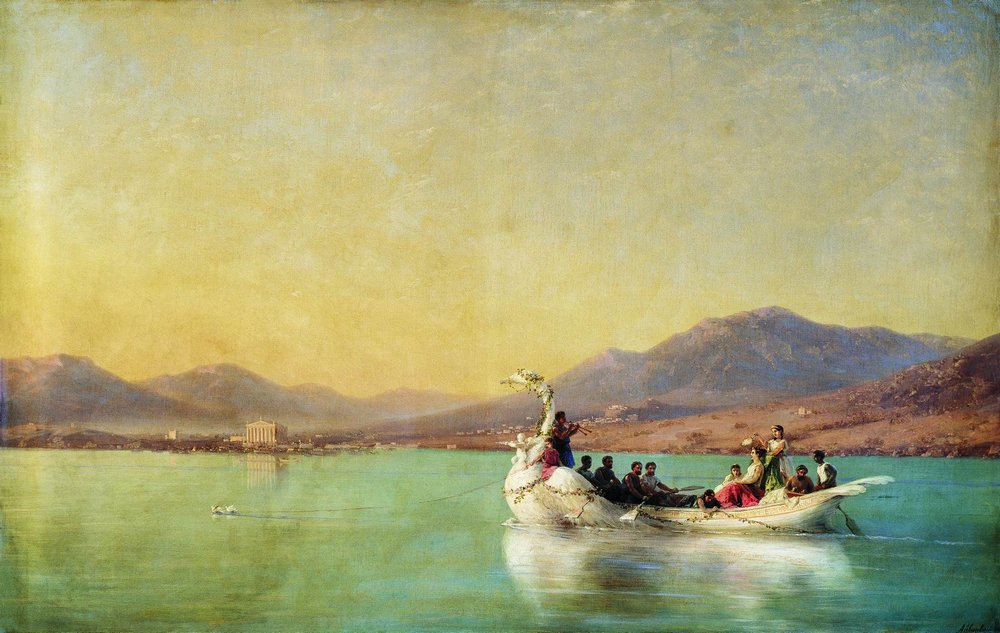
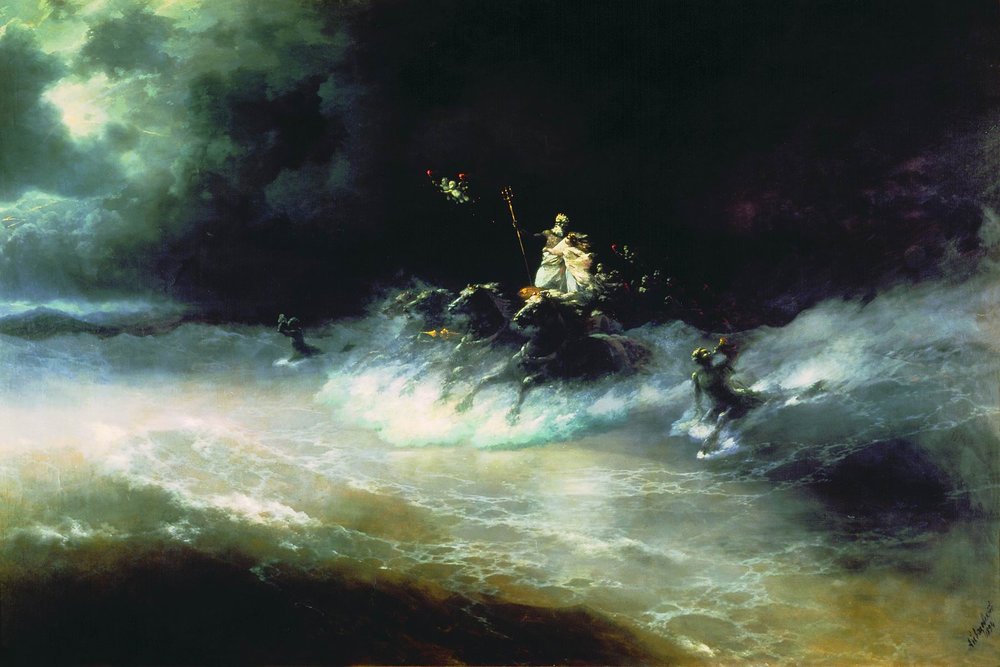
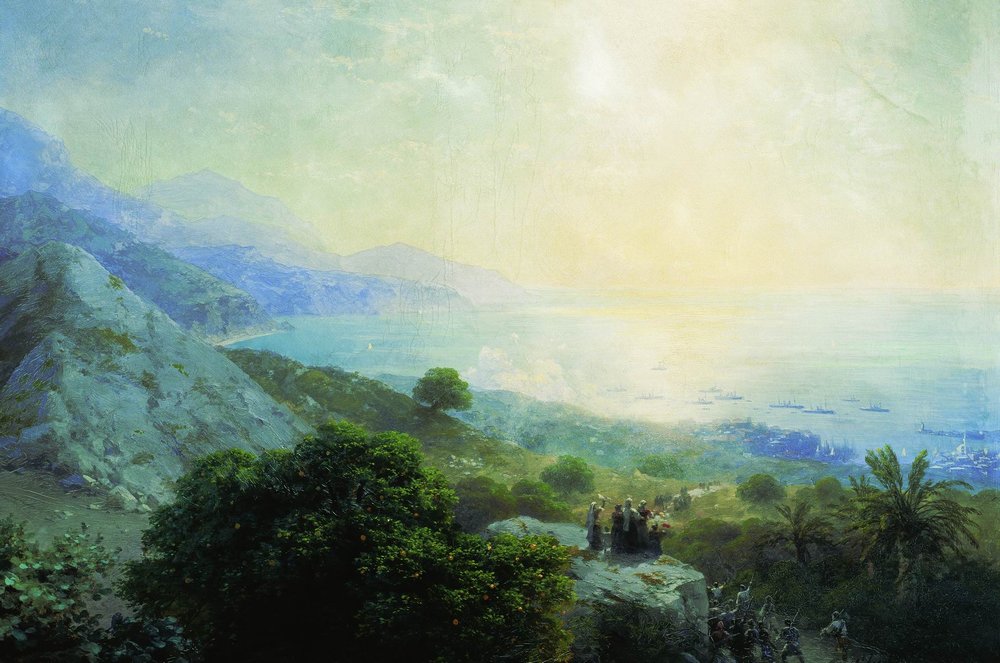
Ivan Konstantinovich Aivazovsky lived from 29 July 1817 to 2 May 1900. He was a Russian Romantic painter and is considered to be one of the greatest masters of marine art. Aivazovsky was born into an Armenian family in the Black Sea port of Feodosia in Crimea and was mostly based there. In 1845, Aivazovsky traveled to the Aegean Sea with Duke Konstantin Nikolayevich and visited the Ottoman capital, Constantinople, and the Greek islands of Patmos and Rhodes, gaining inspiration for his art. During his almost 60-year career, he created around 6,000 paintings, making him one of the most prolific artists of his time. Today, I'd like to share some of his (ancient) Hellas themed art.
The Acropolis of Athens [1883]
The wedding of the poet in ancient Greece [1886]
Travel of Poseidon by sea [1894]
Crete [1897]
Labels:
ancient Hellenic culture,
art,
Poseidon
Subscribe to:
Comments (Atom)


.jpg)


_(14595044027).jpg)