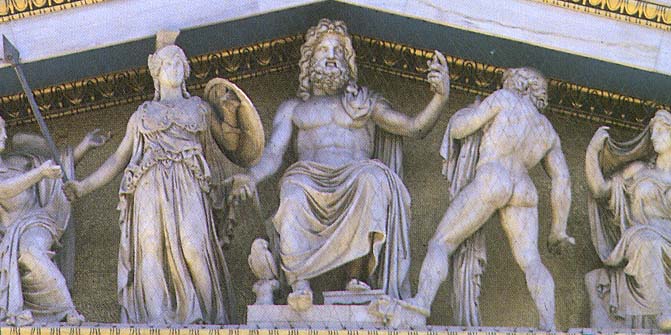
Showing posts with label Peitho. Show all posts
On the 16th of Hekatombaion, the Synoikia (συνοίκια or συνοικέσια) festival was held in Athens. It was a community festival, sacred to primarily Athena, and was a festival held every year. Why the Sunoikia was celebrated, and what its origins are is not entirely clear; best I can tell is that it reaches back to the unification of twelve small towns into the metropolis of Athens, and is thus linked to the myth of Theseus. Will you celebrate with us today, on July 7th?
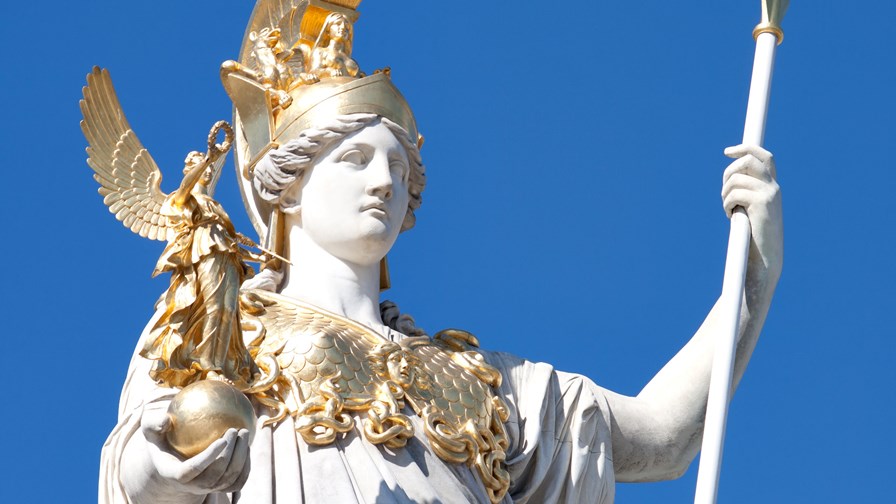

The Synoikia was 'somewhat' of a two-day festival; the 16th was the official sacred day, but the 15th was important as well. Parke, in 'Festivals of the Athenians' (1977), states that:

"Some light on the subject comes from a fragment of the fifth-century code of sacrificial regulations found in the Agora. It records among the festival held every second year as the earliest in the calendar sacrifices held on the 15th and 16th of Hecatombaion. This is evidently the Synoikia though the name does not appear in the inscription. Thuclydides did not mention anything about a two-yearly celebration, and one would naturally expect the commemoration of a historic even to take place annually. But the part of the code dealing with the annual festivals of Hecatombaion is lost, and it probably contained references to the annual Synoikia on the 16th, and one should picture the celebration as taking place on this one day every year, and every second year being held in a larger and more extended form over the two days of the 15th and the 16th." [p. 31]

The second day was the main event, and it contained sacrifices to Zeus Phratrios, Eirênê (Ειρηνη, Goddess of peace and spring), and most importantly: Athena. The Synoikia was believed to have been instituted by Theseus to commemorate the concentration, the Synoecism, of the government of the various towns of Attica and Athens. This unification is described by Thucydides, in his 'History of the Peloponnesian War':

"In this manner spake the Mytilenaeans. And the Lacedaemonians and their confederates, when they had heard and allowed their reasons, decreed not only a league with the Lesbians but also again to make an invasion into Attica. And to that purpose the Lacedaemonians appointed their confederates there present to make as much speed as they could with two parts of their forces into the isthmus; and they themselves being first there prepared engines in the isthmus for the drawing up of galleys, with intention to carry the navy from Corinth to the other sea that lieth towards Athens, and to set upon them both by sea and land. [2] And these things diligently did they. But the rest of the confederates assembled but slowly, being busied in the gathering in of their fruits and weary of warfare." [3. 15]

Prior to this mythical event taking place, it seems the Synoikia was solely a festival for Athena, as caretaker of Athens. All sacrifices went to Her. After the Synoecism, however, Zeus Phatrios gained importance: he oversaw the various phratries (clans) of Athens who had come together to form a unified people. The content of the Synoikia was solidified in a time of many wars, and it seemed many people were not only tired of them, but saw them as a threat to the solidity of Athens and Attica. As such, the inclusion Eirênê makes sense, as well as Elaion's additions of Aphrodite and Peitho.

Even in ancient times, the sacrifices were a bit lacklustre: a young ewe on the 15th, and two young bullocks on the 16th. Neither sacrifice included a feast and the meat--save for what was sacrificed, of course--was sold right away, indicating not many people attended and that the festival was held most for form; and antiquated festival even then. Today, reading up on the history of Athens and sacrificing to Athena, Zeus Phatrios, and Eirênê suffices to celebrate the Synoikia--and join in with our PAT ritual, of course! You can find the ritual here and the community page here.
June 26, at 10 am EDT, we will hold a rite for Aphrodite Pandamos and Peitho, as on this day, the fourth of Hekatombaion, They were traditionally honored during a festival of unification. Will you join us?


Pandêmos (Πανδημος) occurs as an epithet of Aphrodite. It identifies her as the Goddess of low sensual pleasures, and the epithet is often translated as 'common to all the people'. She united all the inhabitants of a country into one social or political body. In this respect She was worshipped at Athens along with Peitho (persuasion), and Her worship was said to have been instituted by Theseus at the time when he united the scattered townships into one great body of citizens.

According to some authorities, it was Solon who erected the sanctuary of Aphrodite Pandemos, either because her image stood in the agora, or because the hetaerae had to pay the costs of its erection. The worship of Aphrodite Pandemos also occurs at Megalopolis in Arcadia and at Thebes. 'Pandemos' also occurs as a surname of Eros.

Peithô is the personification of persuasion, seduction and charming speech. She was worshipped as a divinity at Sicyon, where she was honoured with a temple in the agora. Peitho also occurs as a surname of other divinities, such as Aphrodite, whose worship was said to have been introduced at Athens by Theseus, when he united the country communities into towns, and of Artemis.

At Athens the statues of Peitho and Aphrodite Pandemos stood closely together, and at Megara, too, the statue of Peitho stood in the temple of Aphrodite, so that the two divinities must he conceived as closely connected, or the one, perhaps, merely as an attribute of the other. For our rite, we will honour both divinities separately.

There is actually not much known about the Aphrodisia. It was most likely linked to the synoikismos, or unification, of the Attic demes into poleis, or city-states. In early Hellas, ancient society was split between the 'demos', country villages, and the 'asty', or 'polis', the seat of the aristocracy. The distinction between the 'polis' and the 'demos' was of great political importance in the ancient states. There was much antagonism between these two bodies, the country and city. In the city-states of ancient Hellas, synoecism occurred when the 'demos' combined with--usually by force--a polis to form one political union. The most notable synoikistes was the mythic or legendary Theseus, who liberated Attica from Kretan hegemony and gave independency back to Hellas under leadership of Athens. Like the Synoikia that was celebrated in a few days--which was a truly political festival and we will thus not celebrate it--the Aphrodisia seems to celebrate Theseus' efforts.

An inscription on a stele of Hymettian marble found near the Beulé Gate at the site of the aedicula on the south-west slope of the Acropolis may tell us something of the preparations for the Aphrodisia festival. Dated between 287 and 283 BC, the inscription records that at the time of the procession of Aphrodite Pandemos, Kallias, son of Lysimachos of the deme of Hermai, was to provide funds for the purification of the temple and the altar with the blood of a dove, for giving a coat of pitch to the roof, for the washing of the statues, and for a purple cloak for the amount of two drachmas.

From this and other ancient sources, we can conclude that the first ritual of the festival would be to purify the temple with the blood from a dove, which we know is the sacred bird of Aphrodite. Needless to say, we won't do this, but we do encourage you to give your altar a good scrub! Afterwards, worshippers would carry sacred images of Aphrodite and Peitho in a procession to the sea to be washed. In Cyprus, participants who were initiated into the Mysteries of Aphrodite were offered salt, a representation of Aphrodite's connection to the sea, and bread baked in the shape of a phallus (feel free to make some of those!). During the festival it was not permitted to make bloody sacrifices, since the altar could not be polluted with the blood of the sacrifice victims, which were usually white male goats. This of course excludes the blood of the sacred dove, made at the beginning of the ritual to purify the altar. In addition to live male goats, worshippers would offer flowers and incense.

As a celebration of the unification of Attica, the Aphrodisia festival may seem redundant, since the Synoikia festival also took place in the month of Hekatombaion, between the Aphrodisia and the Panathenaia. Yet, without help of Aphrodite Pandemos and Peitho, whose powers bring people together, unification would not have been possible. While the Synoikia celebrates a very specific event that is no longer current, the Aphrodisia celebrates not only Aphrodite (and Peitho) as divine, but also represents the beauty of community, solidarity, and the end of strive. In this day and age where it seems the entire world is at war, we offer sacrifice to Aphrodite and Peitho humbly in hopes that They will interfere and lay to rest this terrible animosity.

Will you be joining us on June 26? Join the community here, and download the ritual here.
On the 16th of Hekatombaion, the Synoikia (συνοίκια or συνοικέσια) festival was held in Athens. It was a community festival, sacred to primarily Athena, and was a festival held every year. Why the Sunoikia was celebrated, and what its origins are is not entirely clear; best I can tell is that it reaches back to the unification of twelve small towns into the metropolis of Athens, and is thus linked to the myth of Theseus. Will you celebrate with us on July 19th?


The Synoikia was 'somewhat' of a two-day festival; the 16th was the official sacred day, but the 15th was important as well. Parke, in 'Festivals of the Athenians' (1977), states that:

"Some light on the subject comes from a fragment of the fifth-century code of sacrificial regulations found in the Agora. It records among the festival held every second year as the earliest in the calendar sacrifices held on the 15th and 16th of Hecatombaion. This is evidently the Synoikia though the name does not appear in the inscription. Thuclydides did not mention anything about a two-yearly celebration, and one would naturally expect the commemoration of a historic even to take place annually. But the part of the code dealing with the annual festivals of Hecatombaion is lost, and it probably contained references to the annual Synoikia on the 16th, and one should picture the celebration as taking place on this one day every year, and every second year being held in a larger and more extended form over the two days of the 15th and the 16th." [p. 31]

The second day was the main event, and it contained sacrifices to Zeus Phratrios, Eirênê (Ειρηνη, Goddess of peace and spring), and most importantly: Athena. The Synoikia was believed to have been instituted by Theseus to commemorate the concentration, the Synoecism, of the government of the various towns of Attica and Athens. This unification is described by Thucydides, in his 'History of the Peloponnesian War':

"In this manner spake the Mytilenaeans. And the Lacedaemonians and their confederates, when they had heard and allowed their reasons, decreed not only a league with the Lesbians but also again to make an invasion into Attica. And to that purpose the Lacedaemonians appointed their confederates there present to make as much speed as they could with two parts of their forces into the isthmus; and they themselves being first there prepared engines in the isthmus for the drawing up of galleys, with intention to carry the navy from Corinth to the other sea that lieth towards Athens, and to set upon them both by sea and land. [2] And these things diligently did they. But the rest of the confederates assembled but slowly, being busied in the gathering in of their fruits and weary of warfare." [3. 15]

Prior to this mythical event taking place, it seems the Synoikia was solely a festival for Athena, as caretaker of Athens. All sacrifices went to Her. After the Synoecism, however, Zeus Phatrios gained importance: he oversaw the various phratries (clans) of Athens who had come together to form a unified people. The content of the Synoikia was solidified in a time of many wars, and it seemed many people were not only tired of them, but saw them as a threat to the solidity of Athens and Attica. As such, the inclusion Eirênê makes sense, as well as Elaion's additions of Aphrodite and Peitho.

Even in ancient times, the sacrifices were a bit lacklustre: a young ewe on the 15th, and two young bullocks on the 16th. Neither sacrifice included a feast and the meat--save for what was sacrificed, of course--was sold right away, indicating not many people attended and that the festival was held most for form; and antiquated festival even then. Today, reading up on the history of Athens and sacrificing to Athena, Zeus Phatrios, and Eirênê suffices to celebrate the Synoikia--and join in with our PAT ritual, of course! You can find the ritual here and the community page here.
July 7, at 10 am EDT, we will hold a rite for Aphrodite Pandamos and Peitho, as on this day, the fourth of Hekatombaion, They were traditionally honored during a festival of unification. Will you join us?


Pandêmos (Πανδημος) occurs as an epithet of Aphrodite. It identifies her as the Goddess of low sensual pleasures, and the epithet is often translated as 'common to all the people'. She united all the inhabitants of a country into one social or political body. In this respect She was worshipped at Athens along with Peitho (persuasion), and Her worship was said to have been instituted by Theseus at the time when he united the scattered townships into one great body of citizens.

According to some authorities, it was Solon who erected the sanctuary of Aphrodite Pandemos, either because her image stood in the agora, or because the hetaerae had to pay the costs of its erection. The worship of Aphrodite Pandemos also occurs at Megalopolis in Arcadia and at Thebes. 'Pandemos' also occurs as a surname of Eros.

Peithô is the personification of persuasion, seduction and charming speech. She was worshipped as a divinity at Sicyon, where she was honoured with a temple in the agora. Peitho also occurs as a surname of other divinities, such as Aphrodite, whose worship was said to have been introduced at Athens by Theseus, when he united the country communities into towns, and of Artemis.

At Athens the statues of Peitho and Aphrodite Pandemos stood closely together, and at Megara, too, the statue of Peitho stood in the temple of Aphrodite, so that the two divinities must he conceived as closely connected, or the one, perhaps, merely as an attribute of the other. For our rite, we will honour both divinities separately.

There is actually not much known about the Aphrodisia. It was most likely linked to the synoikismos, or unification, of the Attic demes into poleis, or city-states. In early Hellas, ancient society was split between the 'demos', country villages, and the 'asty', or 'polis', the seat of the aristocracy. The distinction between the 'polis' and the 'demos' was of great political importance in the ancient states. There was much antagonism between these two bodies, the country and city. In the city-states of ancient Hellas, synoecism occurred when the 'demos' combined with--usually by force--a polis to form one political union. The most notable synoikistes was the mythic or legendary Theseus, who liberated Attica from Kretan hegemony and gave independency back to Hellas under leadership of Athens. Like the Synoikia that was celebrated in a few days--which was a truly political festival and we will thus not celebrate it--the Aphrodisia seems to celebrate Theseus' efforts.

An inscription on a stele of Hymettian marble found near the Beulé Gate at the site of the aedicula on the south-west slope of the Acropolis may tell us something of the preparations for the Aphrodisia festival. Dated between 287 and 283 BC, the inscription records that at the time of the procession of Aphrodite Pandemos, Kallias, son of Lysimachos of the deme of Hermai, was to provide funds for the purification of the temple and the altar with the blood of a dove, for giving a coat of pitch to the roof, for the washing of the statues, and for a purple cloak for the amount of two drachmas.

From this and other ancient sources, we can conclude that the first ritual of the festival would be to purify the temple with the blood from a dove, which we know is the sacred bird of Aphrodite. Needless to say, we won't do this, but we do encourage you to give your altar a good scrub! Afterwards, worshippers would carry sacred images of Aphrodite and Peitho in a procession to the sea to be washed. In Cyprus, participants who were initiated into the Mysteries of Aphrodite were offered salt, a representation of Aphrodite's connection to the sea, and bread baked in the shape of a phallus (feel free to make some of those!). During the festival it was not permitted to make bloody sacrifices, since the altar could not be polluted with the blood of the sacrifice victims, which were usually white male goats. This of course excludes the blood of the sacred dove, made at the beginning of the ritual to purify the altar. In addition to live male goats, worshippers would offer flowers and incense.

As a celebration of the unification of Attica, the Aphrodisia festival may seem redundant, since the Synoikia festival also took place in the month of Hekatombaion, between the Aphrodisia and the Panathenaia. Yet, without help of Aphrodite Pandemos and Peitho, whose powers bring people together, unification would not have been possible. While the Synoikia celebrates a very specific event that is no longer current, the Aphrodisia celebrates not only Aphrodite (and Peitho) as divine, but also represents the beauty of community, solidarity, and the end of strive. In this day and age where it seems the entire world is at war, we offer sacrifice to Aphrodite and Peitho humbly in hopes that They will interfere and lay to rest this terrible animosity.

Will you be joining us on July 7? Join the community here, and download the ritual here.

On the 16th of Hekatombaion, the Synoikia (συνοίκια or συνοικέσια) festival was held in Athens. It was a community festival, sacred to primarily Athena, and was a festival held every year. Why the Sunoikia was celebrated, and what its origins are is not entirely clear; best I can tell is that it reaches back to the unification of twelve small towns into the metropolis of Athens, and is thus linked to the myth of Theseus. Will you celebrate with us on July 28th and 29th?


The Synoikia was 'somewhat' of a two-day festival; the 16th was the official sacred day, but the 15th was important as well. Parke, in 'Festivals of the Athenians' (1977), states that:

"Some light on the subject comes from a fragment of the fifth-century code of sacrificial regulations found in the Agora. It records among the festival held every second year as the earliest in the calendar sacrifices held on the 15th and 16th of Hecatombaion. This is evidently the Synoikia though the name does not appear in the inscription. Thuclydides did not mention anything about a two-yearly celebration, and one would naturally expect the commemoration of a historic even to take place annually. But the part of the code dealing with the annual festivals of Hecatombaion is lost, and it probably contained references to the annual Synoikia on the 16th, and one should picture the celebration as taking place on this one day every year, and every second year being held in a larger and more extended form over the two days of the 15th and the 16th." [p. 31]

The second day was the main event, and it contained sacrifices to Zeus Phratrios, Eirênê (Ειρηνη, Goddess of peace and spring), and most importantly: Athena. The Synoikia was believed to have been instituted by Theseus to commemorate the concentration, the Synoecism, of the government of the various towns of Attica and Athens. This unification is described by Thucydides, in his 'History of the Peloponnesian War':

"In this manner spake the Mytilenaeans. And the Lacedaemonians and their confederates, when they had heard and allowed their reasons, decreed not only a league with the Lesbians but also again to make an invasion into Attica. And to that purpose the Lacedaemonians appointed their confederates there present to make as much speed as they could with two parts of their forces into the isthmus; and they themselves being first there prepared engines in the isthmus for the drawing up of galleys, with intention to carry the navy from Corinth to the other sea that lieth towards Athens, and to set upon them both by sea and land. [2] And these things diligently did they. But the rest of the confederates assembled but slowly, being busied in the gathering in of their fruits and weary of warfare." [3. 15]

Prior to this mythical event taking place, it seems the Synoikia was solely a festival for Athena, as caretaker of Athens. All sacrifices went to Her. After the Synoecism, however, Zeus Phatrios gained importance: he oversaw the various phratries (clans) of Athens who had come together to form a unified people. The content of the Synoikia was solidified in a time of many wars, and it seemed many people were not only tired of them, but saw them as a threat to the solidity of Athens and Attica. As such, the inclusion Eirênê makes sense, as well as Elaion's additions of Aphrodite and Peitho.

Even in ancient times, the sacrifices were a bit lacklustre: a young ewe on the 15th, and two young bullocks on the 16th. Neither sacrifice included a feast and the meat--save for what was sacrificed, of course--was sold right away, indicating not many people attended and that the festival was held most for form; and antiquated festival even then. Today, reading up on the history of Athens and sacrificing to Athena, Zeus Phatrios, and Eirênê suffices to celebrate the Synoikia--and join in with our PAT ritual, of course! You can find the rituals here and the community page here.
July 17, at 10 am EDT, we will hold a rite for Aphrodite Pandamos and Peitho, as on this day, the fourth of Hekatombaion, They were traditionally honored during a festival of unification. Will you join us?


Pandêmos (Πανδημος) occurs as an epithet of Aphrodite. It identifies her as the Goddess of low sensual pleasures, and the epithet is often translated as 'common to all the people'. She united all the inhabitants of a country into one social or political body. In this respect She was worshipped at Athens along with Peitho (persuasion), and Her worship was said to have been instituted by Theseus at the time when he united the scattered townships into one great body of citizens.

According to some authorities, it was Solon who erected the sanctuary of Aphrodite Pandemos, either because her image stood in the agora, or because the hetaerae had to pay the costs of its erection. The worship of Aphrodite Pandemos also occurs at Megalopolis in Arcadia and at Thebes. 'Pandemos' also occurs as a surname of Eros.

Peithô is the personification of persuasion, seduction and charming speech. She was worshipped as a divinity at Sicyon, where she was honoured with a temple in the agora. Peitho also occurs as a surname of other divinities, such as Aphrodite, whose worship was said to have been introduced at Athens by Theseus, when he united the country communities into towns, and of Artemis.

At Athens the statues of Peitho and Aphrodite Pandemos stood closely together, and at Megara, too, the statue of Peitho stood in the temple of Aphrodite, so that the two divinities must he conceived as closely connected, or the one, perhaps, merely as an attribute of the other. For our rite, we will honour both divinities separately.

There is actually not much known about the Aphrodisia. It was most likely linked to the synoikismos, or unification, of the Attic demes into poleis, or city-states. In early Hellas, ancient society was split between the 'demos', country villages, and the 'asty', or 'polis', the seat of the aristocracy. The distinction between the 'polis' and the 'demos' was of great political importance in the ancient states. There was much antagonism between these two bodies, the country and city. In the city-states of ancient Hellas, synoecism occurred when the 'demos' combined with--usually by force--a polis to form one political union. The most notable synoikistes was the mythic or legendary Theseus, who liberated Attica from Kretan hegemony and gave independency back to Hellas under leadership of Athens. Like the Synoikia that was celebrated in a few days--which was a truly political festival and we will thus not celebrate it--the Aphrodisia seems to celebrate Theseus' efforts.

An inscription on a stele of Hymettian marble found near the Beulé Gate at the site of the aedicula on the south-west slope of the Acropolis may tell us something of the preparations for the Aphrodisia festival. Dated between 287 and 283 BC, the inscription records that at the time of the procession of Aphrodite Pandemos, Kallias, son of Lysimachos of the deme of Hermai, was to provide funds for the purification of the temple and the altar with the blood of a dove, for giving a coat of pitch to the roof, for the washing of the statues, and for a purple cloak for the amount of two drachmas.

From this and other ancient sources, we can conclude that the first ritual of the festival would be to purify the temple with the blood from a dove, which we know is the sacred bird of Aphrodite. Needless to say, we won't do this, but we do encourage you to give your altar a good scrub! Afterwards, worshippers would carry sacred images of Aphrodite and Peitho in a procession to the sea to be washed. In Cyprus, participants who were initiated into the Mysteries of Aphrodite were offered salt, a representation of Aphrodite's connection to the sea, and bread baked in the shape of a phallus (feel free to make some of those!). During the festival it was not permitted to make bloody sacrifices, since the altar could not be polluted with the blood of the sacrifice victims, which were usually white male goats. This of course excludes the blood of the sacred dove, made at the beginning of the ritual to purify the altar. In addition to live male goats, worshippers would offer flowers and incense.

As a celebration of the unification of Attica, the Aphrodisia festival may seem redundant, since the Synoikia festival also took place in the month of Hekatombaion, between the Aphrodisia and the Panathenaia. Yet, without help of Aphrodite Pandemos and Peitho, whose powers bring people together, unification would not have been possible. While the Synoikia celebrates a very specific event that is no longer current, the Aphrodisia celebrates not only Aphrodite (and Peitho) as divine, but also represents the beauty of community, solidarity, and the end of strive. In this day and age where it seems the entire world is at war, we offer sacrifice to Aphrodite and Peitho humbly in hopes that They will interfere and lay to rest this terrible animosity.

Will you be joining us on July 17? Join the community here, and download the ritual here.

On the 16th of Hekatombaion, the Synoikia (συνοίκια or συνοικέσια) festival was held in Athens. It was a community festival, sacred to primarily Athena, and was a festival held every year. Why the Sunoikia was celebrated, and what its origins are is not entirely clear; best I can tell is that it reaches back to the unification of twelve small towns into the metropolis of Athens, and is thus linked to the myth of Theseus. Will you celebrate with us on July 10th?


The Synoikia was 'somewhat' of a two-day festival; the 16th was the official sacred day, but the 15th was important as well. Parke, in 'Festivals of the Athenians' (1977), states that:

"Some light on the subject comes from a fragment of the fifth-century code of sacrificial regulations found in the Agora. It records among the festival held every second year as the earliest in the calendar sacrifices held on the 15th and 16th of Hecatombaion. This is evidently the Synoikia though the name does not appear in the inscription. Thuclydides did not mention anything about a two-yearly celebration, and one would naturally expect the commemoration of a historic even to take place annually. But the part of the code dealing with the annual festivals of Hecatombaion is lost, and it probably contained references to the annual Synoikia on the 16th, and one should picture the celebration as taking place on this one day every year, and every second year being held in a larger and more extended form over the two days of the 15th and the 16th." [p. 31]

The second day was the main event, and it contained sacrifices to Zeus Phratrios, Eirênê (Ειρηνη, Goddess of peace and spring), and most importantly: Athena. The Synoikia was believed to have been instituted by Theseus to commemorate the concentration, the Synoecism, of the government of the various towns of Attica and Athens. This unification is described by Thucydides, in his 'History of the Peloponnesian War':

"In this manner spake the Mytilenaeans. And the Lacedaemonians and their confederates, when they had heard and allowed their reasons, decreed not only a league with the Lesbians but also again to make an invasion into Attica. And to that purpose the Lacedaemonians appointed their confederates there present to make as much speed as they could with two parts of their forces into the isthmus; and they themselves being first there prepared engines in the isthmus for the drawing up of galleys, with intention to carry the navy from Corinth to the other sea that lieth towards Athens, and to set upon them both by sea and land. [2] And these things diligently did they. But the rest of the confederates assembled but slowly, being busied in the gathering in of their fruits and weary of warfare." [3. 15]

Prior to this mythical event taking place, it seems the Synoikia was solely a festival for Athena, as caretaker of Athens. All sacrifices went to Her. After the Synoecism, however, Zeus Phatrios gained importance: he oversaw the various phratries (clans) of Athens who had come together to form a unified people. The content of the Synoikia was solidified in a time of many wars, and it seemed many people were not only tired of them, but saw them as a threat to the solidity of Athens and Attica. As such, the inclusion Eirênê makes sense, as well as Elaion's additions of Aphrodite and Peitho.

Even in ancient times, the sacrifices were a bit lacklustre: a young ewe on the 15th, and two young bullocks on the 16th. Neither sacrifice included a feast and the meat--save for what was sacrificed, of course--was sold right away, indicating not many people attended and that the festival was held most for form; and antiquated festival even then. Today, reading up on the history of Athens and sacrificing to Athena, Zeus Phatrios, and Eirênê suffices to celebrate the Synoikia--and join in with our PAT ritual, of course! You can find the rituals here and the community page here.
June 28, at 10 am EDT, we will hold a rite for Aphrodite Pandamos and Peitho, as on this day, the fourth of Hekatombaion, They were traditionally honored during a festival of unification. Will you join us?


Pandêmos (Πανδημος) occurs as an epithet of Aphrodite. It identifies her as the Goddess of low sensual pleasures, and the epithet is often translated as 'common to all the people'. She united all the inhabitants of a country into one social or political body. In this respect She was worshipped at Athens along with Peitho (persuasion), and Her worship was said to have been instituted by Theseus at the time when he united the scattered townships into one great body of citizens.

According to some authorities, it was Solon who erected the sanctuary of Aphrodite Pandemos, either because her image stood in the agora, or because the hetaerae had to pay the costs of its erection. The worship of Aphrodite Pandemos also occurs at Megalopolis in Arcadia and at Thebes. 'Pandemos' also occurs as a surname of Eros.

Peithô is the personification of persuasion, seduction and charming speech. She was worshipped as a divinity at Sicyon, where she was honoured with a temple in the agora. Peitho also occurs as a surname of other divinities, such as Aphrodite, whose worship was said to have been introduced at Athens by Theseus, when he united the country communities into towns, and of Artemis.

At Athens the statues of Peitho and Aphrodite Pandemos stood closely together, and at Megara, too, the statue of Peitho stood in the temple of Aphrodite, so that the two divinities must he conceived as closely connected, or the one, perhaps, merely as an attribute of the other. For our rite, we will honour both divinities separately.

There is actually not much known about the Aphrodisia. It was most likely linked to the synoikismos, or unification, of the Attic demes into poleis, or city-states. In early Hellas, ancient society was split between the 'demos', country villages, and the 'asty', or 'polis', the seat of the aristocracy. The distinction between the 'polis' and the 'demos' was of great political importance in the ancient states. There was much antagonism between these two bodies, the country and city. In the city-states of ancient Hellas, synoecism occurred when the 'demos' combined with--usually by force--a polis to form one political union. The most notable synoikistes was the mythic or legendary Theseus, who liberated Attica from Kretan hegemony and gave independency back to Hellas under leadership of Athens. Like the Synoikia that was celebrated in a few days--which was a truly political festival and we will thus not celebrate it--the Aphrodisia seems to celebrate Theseus' efforts.

An inscription on a stele of Hymettian marble found near the Beulé Gate at the site of the aedicula on the south-west slope of the Acropolis may tell us something of the preparations for the Aphrodisia festival. Dated between 287 and 283 BC, the inscription records that at the time of the procession of Aphrodite Pandemos, Kallias, son of Lysimachos of the deme of Hermai, was to provide funds for the purification of the temple and the altar with the blood of a dove, for giving a coat of pitch to the roof, for the washing of the statues, and for a purple cloak for the amount of two drachmas.

From this and other ancient sources, we can conclude that the first ritual of the festival would be to purify the temple with the blood from a dove, which we know is the sacred bird of Aphrodite. Needless to say, we won't do this, but we do encourage you to give your altar a good scrub! Afterwards, worshippers would carry sacred images of Aphrodite and Peitho in a procession to the sea to be washed. In Cyprus, participants who were initiated into the Mysteries of Aphrodite were offered salt, a representation of Aphrodite's connection to the sea, and bread baked in the shape of a phallus (feel free to make some of those!). During the festival it was not permitted to make bloody sacrifices, since the altar could not be polluted with the blood of the sacrifice victims, which were usually white male goats. This of course excludes the blood of the sacred dove, made at the beginning of the ritual to purify the altar. In addition to live male goats, worshippers would offer flowers and incense.

As a celebration of the unfication of Attica, the Aphrodisia festival may seem redundant, since the Synoikia festival also took place in the month of Hekatombaion, between the Aphrodisia and the Panathenaia. Yet, without help of Aphrodite Pandemos and Peitho, whose powers bring people together, unification would not have been possible. While the Synoikia celebrates a very specific event that is no longer current, the Aphrodisia celebrates not only Aphrodite (and Peitho) as divine, but also represents the beauty of community, solidarity, and the end of strive. In this day and age where it seems the entire world is at war, we offer sacrifice to Aphrodite and Peitho humbly in hopes that They will interfere and lay to rest this terrible animosity.

Will you be joining us on June 28? Join the community here, and download the ritual here.

On the 15th and 16th of Hekatombaion, the Synoikia (συνοίκια or συνοικέσια) festival was held in Athens. It was a community festival, sacred to primarily Athena, and was somewhat of a two-day festival held every year. Why the Sunoikia was celebrated, and what its origins are is not entirely clear; best I can tell is that it reaches back to the unification of twelve small towns into the metropolis of Athens, and is thus linked to the myth of Theseus. Will you celebrate with us on July 20th and July 21th?


I stated that the Synoikia was 'somewhat' of a two-day festival; the 16th was the official sacred day, but the 15th was important as well. Parke, in 'Festivals of the Athenians' (1977), states that:

"Some light on the subject comes from a fragment of the fifth-century code of sacrificial regulations found in the Agora. It records among the festival held every second year as the earliest in the calendar sacrifices held on the 15th and 16th of Hecatombaion. This is evidently the Synoikia though the name does not appear in the inscription. Thuclydides did not mention anything about a two-yearly celebration, and one would naturally expect the commemoration of a historic even to take place annually. But the part of the code dealing with the annual festivals of Hecatombaion is lost, and it probably contained references to the annual Synoikia on the 16th, and one should picture the celebration as taking place on this one day every year, and every second year being held in a larger and more extended form over the two days of the 15th and the 16th." [p. 31]

The second day was the main event, and it contained sacrifices to Zeus Phratrios, Eirênê (Ειρηνη, Goddess of peace and spring), and most importantly: Athena. The Synoikia was believed to have been instituted by Theseus to commemorate the concentration, the Synoecism, of the government of the various towns of Attica and Athens. This unification is described by Thucydides, in his 'History of the Peloponnesian War':

"In this manner spake the Mytilenaeans. And the Lacedaemonians and their confederates, when they had heard and allowed their reasons, decreed not only a league with the Lesbians but also again to make an invasion into Attica. And to that purpose the Lacedaemonians appointed their confederates there present to make as much speed as they could with two parts of their forces into the isthmus; and they themselves being first there prepared engines in the isthmus for the drawing up of galleys, with intention to carry the navy from Corinth to the other sea that lieth towards Athens, and to set upon them both by sea and land. [2] And these things diligently did they. But the rest of the confederates assembled but slowly, being busied in the gathering in of their fruits and weary of warfare." [3. 15]

Prior to this mythical event taking place, it seems the Synoikia was solely a festival for Athena, as caretaker of Athens. All sacrifices went to Her. After the Synoecism, however, Zeus Phatrios gained importance: he oversaw the various phratries (clans) of Athens who had come together to form a unified people. The content of the Synoikia was solidified in a time of many wars, and it seemed many people were not only tired of them, but saw them as a threat to the solidity of Athens and Attica. As such, the inclusion Eirênê makes sense, as well as Elaion's additions of Aphrodite and Peitho.

Even in ancient times, the sacrifices were a bit lacklustre: a young ewe on the 15th, and two young bullocks on the 16th. Neither sacrifice included a feast and the meat--save for what was sacrificed, of course--was sold right away, indicating not many people attended and that the festival was held most for form; and antiquated festival even then. Today, reading up on the history of Athens and sacrificing to Athena, Zeus Phatrios, and Eirênê suffices to celebrate the Synoikia--and join in with our PAT ritual, of course! You can find the rituals here and the community page here.

July 9, at 10 am EDT, we will hold a rite for Aphrodite Pandamos and Peitho, as on this day, the fourth of Hekatombaion, They were traditionally honoured during a festival of unification. Will you join us?

 
Pandêmos (Πανδημος) occurs as an epithet of Aphrodite. It identifies her as the Goddess of low sensual pleasures, and the epithet is often translated as 'common to all the people'. She united all the inhabitants of a country into one social or political body. In this respect She was worshipped at Athens along with Peitho (persuasion), and Her worship was said to have been instituted by Theseus at the time when he united the scattered townships into one great body of citizens.

According to some authorities, it was Solon who erected the sanctuary of Aphrodite Pandemos, either because her image stood in the agora, or because the hetaerae had to pay the costs of its erection. The worship of Aphrodite Pandemos also occurs at Megalopolis in Arcadia and at Thebes. 'Pandemos' also occurs as a surname of Eros.

Peithô is the personification of persuasion, seduction and charming speech. She was worshipped as a divinity at Sicyon, where she was honoured with a temple in the agora. Peitho also occurs as a surname of other divinities, such as Aphrodite, whose worship was said to have been introduced at Athens by Theseus, when he united the country communities into towns, and of Artemis.

At Athens the statues of Peitho and Aphrodite Pandemos stood closely together, and at Megara, too, the statue of Peitho stood in the temple of Aphrodite, so that the two divinities must he conceived as closely connected, or the one, perhaps, merely as an attribute of the other. For our rite, we will honour both divinities separately.

There is actually not much known about the Aphrodisia. It was most likely linked to the synoikismos, or unification, of the Attic demes into poleis, or city-states. In early Hellas, ancient society was split between the 'demos', country villages, and the 'asty', or 'polis', the seat of the aristocracy. The distinction between the 'polis' and the 'demos' was of great political importance in the ancient states. There was much antagonism between these two bodies, the country and city. In the city-states of ancient Hellas, synoecism occurred when the 'demos' combined with--usually by force--a polis to form one political union. The most notable synoikistes was the mythic or legendary Theseus, who liberated Attica from Kretan hegemony and gave independency back to Hellas under leadership of Athens. Like the Synoikia that was celebrated in a few days--which was a truly political festival and we will thus not celebrate it--the Aphrodisia seems to celebrate Theseus' efforts.

An inscription on a stele of Hymettian marble found near the Beulé Gate at the site of the aedicula on the south-west slope of the Acropolis may tell us something of the preparations for the Aphrodisia festival. Dated between 287 and 283 BC, the inscription records that at the time of the procession of Aphrodite Pandemos, Kallias, son of Lysimachos of the deme of Hermai, was to provide funds for the purification of the temple and the altar with the blood of a dove, for giving a coat of pitch to the roof, for the washing of the statues, and for a purple cloak for the amount of two drachmas.

From this and other ancient sources, we can conclude that the first ritual of the festival would be to purify the temple with the blood from a dove, which we know is the sacred bird of Aphrodite. Needless to say, we won't do this, but we do encourage you to give your altar a good scrub! Afterwards, worshippers would carry sacred images of Aphrodite and Peitho in a procession to the sea to be washed. In Cyprus, participants who were initiated into the Mysteries of Aphrodite were offered salt, a representation of Aphrodite's connection to the sea, and bread baked in the shape of a phallus (feel free to make some of those!). During the festival it was not permitted to make bloody sacrifices, since the altar could not be polluted with the blood of the sacrifice victims, which were usually white male goats. This of course excludes the blood of the sacred dove, made at the beginning of the ritual to purify the altar. In addition to live male goats, worshippers would offer flowers and incense.

As a celebration of the unfication of Attica, the Aphrodisia festival may seem redundant, since the Synoikia festival also took place in the month of Hekatombaion, between the Aphrodisia and the Panathenaia. Yet, without help of Aphrodite Pandemos and Peitho, whose powers bring people together, unification would not have been possible. While the Synoikia celebrates a very specific event that is no longer current, the Aphrodisia celebrates not only Aphrodite (and Peitho) as divine, but also represents the beauty of community, solidarity, and the end of strive. In this day and age where it seems the entire world is at war, we offer sacrifice to Aphrodite and Peitho humbly in hopes that They will interfere and lay to rest this terrible animosity.

Will you be joining us on July 9? Join the community here, and download the ritual here.
With the launch of the new website and forum, we ran out of time to get the PAT ritual for the Aphrodesia up before now. Oops, sorry about that. Today, at 10 am EDT, we will hold a rite for Aphrodite Pandamos and Peitho, as on this day, the fourth of Hekatombaion, They were traditionally honoured during a festival of unification.

 
Pandêmos (Πανδημος) occurs as an epithet of Aphrodite. It identifies her as the Goddess of low sensual pleasures, and the epithet is often translated as 'common to all the people'. She united all the inhabitants of a country into one social or political body. In this respect She was worshipped at Athens along with Peitho (persuasion), and Her worship was said to have been instituted by Theseus at the time when he united the scattered townships into one great body of citizens.

According to some authorities, it was Solon who erected the sanctuary of Aphrodite Pandemos, either because her image stood in the agora, or because the hetaerae had to pay the costs of its erection. The worship of Aphrodite Pandemos also occurs at Megalopolis in Arcadia and at Thebes. 'Pandemos' also occurs as a surname of Eros.

Peithô is the personification of persuasion, seduction and charming speech. She was worshipped as a divinity at Sicyon, where she was honoured with a temple in the agora. Peitho also occurs as a surname of other divinities, such as Aphrodite, whose worship was said to have been introduced at Athens by Theseus, when he united the country communities into towns, and of Artemis.

At Athens the statues of Peitho and Aphrodite Pandemos stood closely together, and at Megara, too, the statue of Peitho stood in the temple of Aphrodite, so that the two divinities must he conceived as closely connected, or the one, perhaps, merely as an attribute of the other. For our rite, we will honour both divinities separately.

There is actually not much known about the Aphrodesia. It was most likely linked to the synoikismos, or unification, of the Attic demes into poleis, or city-states. In early Hellas, ancient society was split between the 'demos', country villages, and the 'asty', or 'polis', the seat of the aristocracy. The distinction between the 'polis' and the 'demos' was of great political importance in the ancient states. There was much antagonism between these two bodies, the country and city. In the city-states of ancient Hellas, synoecism occurred when the 'demos' combined with--usually by force--a polis to form one political union. The most notable synoikistes was the mythic or legendary Theseus, who liberated Attica from Kretan hegemony and gave independency back to Hellas under leadership of Athens. Like the Synoikia that was celebrated in a few days--which was a truly political festival and we will thus not celebrate it--the Aphrodesia seems to celebrate Theseus' efforts.

An inscription on a stele of Hymettian marble found near the Beulé Gate at the site of the aedicula on the south-west slope of the Acropolis may tell us something of the preparations for the Aphrodesia festival. Dated between 287 and 283 BC, the inscription records that at the time of the procession of Aphrodite Pandemos, Kallias, son of Lysimachos of the deme of Hermai, was to provide funds for the purification of the temple and the altar with the blood of a dove, for giving a coat of pitch to the roof, for the washing of the statues, and for a purple cloak for the amount of two drachmas.

From this and other ancient sources, we can conclude that the first ritual of the festival would be to purify the temple with the blood from a dove, which we know is the sacred bird of Aphrodite. Needless to say, we won't do this, but we do encourage you to give your altar a good scrub! Afterwards, worshippers would carry sacred images of Aphrodite and Peitho in a procession to the sea to be washed. In Cyprus, participants who were initiated into the Mysteries of Aphrodite were offered salt, a representation of Aphrodite's connection to the sea, and bread baked in the shape of a phallus (feel free to make some of those!). During the festival it was not permitted to make bloody sacrifices, since the altar could not be polluted with the blood of the sacrifice victims, which were usually white male goats. This of course excludes the blood of the sacred dove, made at the beginning of the ritual to purify the altar. In addition to live male goats, worshippers would offer flowers and incense.

As a celebration of the unfication of Attica, the Aphrodesia festival may seem redundant, since the Synoikia festival also took place in the month of Hekatombaion, between the Aphrodesia and the Panathenaia. Yet, without help of Aphrodite Pandemos and Peitho, whose powers bring people together, unification would not have been possible. While the Synoikia celebrates a very specific event that is no longer current, the Aphrodesia celebrates not only Aphrodite (and Peitho) as divine, but also represents the beauty of community, solidarity, and the end of strive. In this day and age where it seems the entire world is at war, we offer sacrifice to Aphrodite and Peitho humbly in hopes that They will interfere and lay to rest this terrible animosity.

Will you be joining us today at ten? Sign up here, and download the ritual here.